

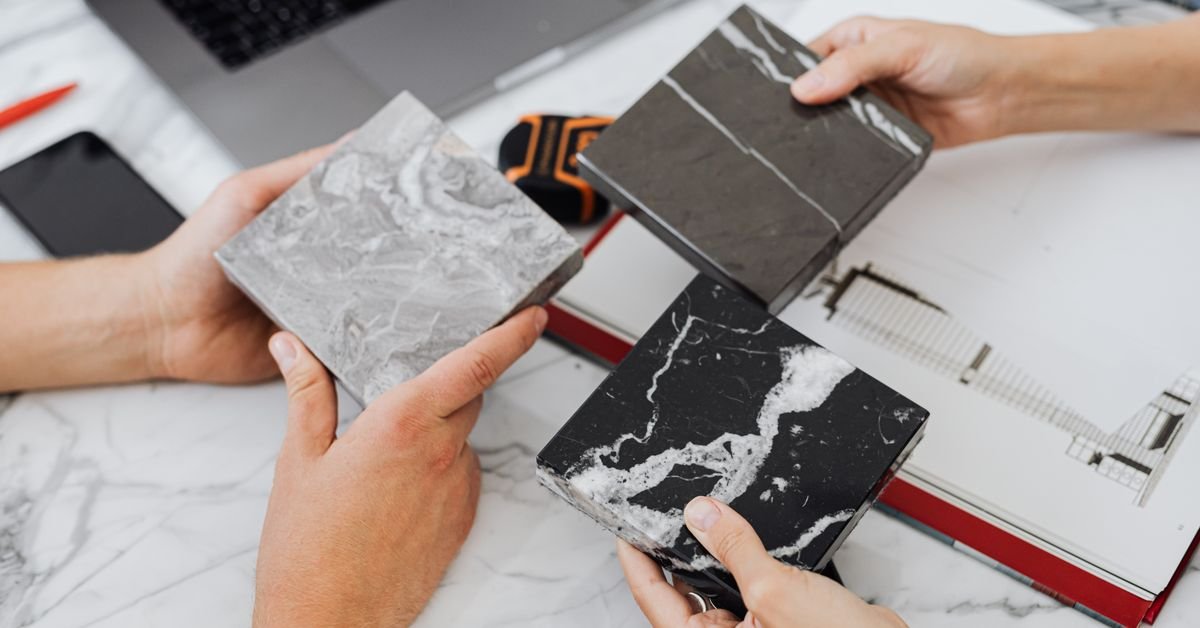
If you manufacture or distribute tiles, marble, granite or sanitaryware in India, you know the pain: your products are only as strong as the architect or interior designer who specifies them. By the time dealers and contractors enter, the real decision is already locked. Yet most brands are invisible where these decisions are made, on Instagram, Pinterest and Google. Marketing for tiles and sanitaryware brands is now a question of being discovered before your competitor, not just stocked.
We see this every week: brands from Kishangarh marble or Morbi tiles clusters with brilliant products, but no digital catalogue, no Instagram showroom, no architect outreach marketing. No wonder big projects go elsewhere. If you want those B2B project leads, you must win the specification stage online, not just offline through dealers.
TL;DR
- Architects and designers choose tiles, marble and sanitaryware brands long before contractors or buyers see your samples.
- Instagram, Pinterest and Google are the new showrooms: if your digital catalogue is missing, you won’t get specified.
- Architect outreach marketing and digital product showcases directly influence B2B project leads in India’s key clusters.
- Strong dealer networks still matter, but only if you support them with digital marketing that wins early specification.
What is the main challenge in marketing for tiles and sanitaryware brands?
Brands in India’s tile, marble and sanitaryware sector get specified by architects and interior designers early in the project cycle; if you are not visible on digital channels like Instagram, Pinterest and Google, you miss out on project specification and B2B leads.
Understanding the Indian tiles and sanitaryware market landscape
The Indian tiles, sanitary ware and bathroom fittings market is huge, with growth driven by urban projects and design-led buyers. Rajasthan’s Kishangarh marble and Gujarat’s Morbi tiles clusters are at the core, supplying the bulk of India’s building materials. Yet while production is world-class, marketing is often stuck in the past: factory visits, dealer meets, and paper catalogues. The real fight for specification now happens online.
Project specification starts with architects and interior designers who shortlist brands using Instagram, Pinterest and Google. If you’re not present on these channels, you’re invisible. With e-commerce and digital discovery transforming the ceramic sanitary ware market, brands need to be proactive. Professional digital marketing for tiles and sanitaryware brands is no longer optional. See Spherical Insights for more on how digital platforms are changing the market.
Here’s what that means for your business:
- You’re competing with national leaders like Kajaria, Somany and H&R Johnson, who invest heavily in digital showrooms.
- Dealers and contractors now expect digital catalogues to share with clients; your PDF brochure is not enough.
- B2B buyers and designers check Instagram before requesting samples or a site visit.
| Key Clusters | Specialisation | Digital Marketing Gaps |
|---|---|---|
| Kishangarh (Rajasthan) | Marble, Granite | Weak Instagram presence, outdated websites |
| Morbi (Gujarat) | Tiles (Ceramic, Vitrified) | No digital product catalogue, low brand recall |
This is the context in which your marketing decisions matter.
Why do architects and interior designers hold specification power?
Architects and interior designers aren’t just influencers; they are the actual decision-makers for project specification. By the time your dealer or contractor is involved, the brand list is already fixed. If you don’t reach architects and designers directly, your products will not be considered, no matter how strong your dealer push.
How they work
Designers typically create a shortlist of brands by browsing Instagram, Pinterest, Google and digital catalogues. They share these with clients and contractors, locking in the choices before the first site visit. If you’re missing from their digital ‘moodboards’, you’re out of the project.
Why this matters for your brand
- Specification is rarely changed after approval, so being late to the architect means being locked out.
- Designers look for high-quality visuals, technical specs and easy sample requests, not just price.
- Influencing the architect or designer means influencing the entire project supply chain.
Which digital channels influence early specification for building materials?
If you want to get specified early, you must be visible where architects and designers search: Instagram, Pinterest and Google. Each channel serves a unique role in building materials digital marketing.
Instagram: The virtual showroom
Instagram is where architects and designers shortlist trends, colour palettes and specific brands. A well-curated Instagram showroom, with tagged products and project photography, is now expected. Hash-tagging, location tags (eg #KishangarhMarble #MorbiTiles), and story highlights help your products surface in searches.
Pinterest: Moodboards and inspiration
Pinterest is the digital moodboard for interior designers. If your marble or tile collections aren’t on Pinterest, you’re missing out on project inspiration boards where architects collect ideas for clients. Pins should link directly to detailed product pages or digital catalogues.
Google: Discovery and validation
Google search is used for initial discovery and technical validation. If your website doesn’t appear for relevant queries (“best Morbi tiles”, “Kishangarh marble supplier”), you lose the project before you even know it exists. Google My Business listings with updated project photos and reviews further build trust.
| Channel | Role in Specification | Must-Have Content |
|---|---|---|
| Showroom, trend discovery | Project photos, tagged products, stories | |
| Moodboards, inspiration | Pins linking to product pages | |
| Search, trust, validation | SEO pages, GMB, reviews |
To see how B2B brands in India are shifting from Meta Ads to Google Ads, check our post on Meta Ads vs Google Ads for B2B lead generation.
How do you create compelling digital product catalogues and Instagram showrooms?
For marble company marketing and tile brands, your digital product catalogue is your first sales pitch. It must make it easy for architects and interior designers to shortlist and specify your products, without chasing your sales team for information.
Checklist: What your digital product catalogue needs
- High-resolution images of every product in real settings
- Technical specs (sizes, finishes, applications) in downloadable format
- Project galleries showing completed work
- Easy-to-use filtering (by colour, material, application)
- CTA for sample requests or architect support
- Mobile-friendly layout for on-site access
Your Instagram showroom should mirror this catalogue: highlight key collections in stories, tag products, and always show real projects (not just renders). Use IGTV or Reels to explain installation details or design tips. If you want to see how B2B websites lose leads without strong catalogues, our article Your B2B Website Is Losing You Deals Before You Even Get on a Call breaks down the technical gaps.
| Must-Have Feature | Impact |
|---|---|
| Real project images | Builds credibility and inspires designers |
| Downloadable specs | Makes specification easy for architects |
| Mobile-optimised design | Accessible on site and on the go |
What architect outreach marketing works for tile and sanitaryware brands?
Architect outreach marketing is about building trust and recall with the decision-makers who influence project specification. This isn’t generic advertising, it’s targeted, relationship-led digital engagement.
Effective steps for architect outreach
- Identify key architects and interior designers in your project geography (eg Mumbai, Delhi, Bangalore, Dubai, Singapore)
- Connect via Instagram DMs, LinkedIn or targeted email (not spam, but value-driven introductions)
- Share digital catalogues, new launches, and sample offers tailored for architects
- Host online events: design webinars, Q&A sessions, or virtual factory tours
- Follow up with project galleries and use testimonials from architects you’ve worked with
Create a strong architect-only section on your website for technical details, case studies and sample requests. For more on shortening B2B cycles, see content marketing for Indian B2B companies.
How can dealer networks drive lead generation in building materials?
Dealers are your feet on the ground, but they’re only as strong as your digital support. Dealer lead generation building materials now happens when your brand is specified by architects and requested by clients. The traditional dealer model works best when combined with digital pull.
Dealer support strategies
- Equip dealers with digital catalogues and sample kits for quick sharing
- Provide WhatsApp or web-based tools for real-time stock and pricing queries
- Encourage dealers to tag your brand in their own Instagram posts and stories
- Share project leads generated from architect outreach with your best-performing dealers
- Run dealer contests for digital engagement (eg most Instagram posts, most architect meetings)
When your brand is top-of-mind for both architects and dealers, you close the gap between specification and final sale.
Case study focus: Kishangarh marble and Morbi tiles clusters
Kishangarh (Rajasthan) and Morbi (Gujarat) are India’s powerhouse clusters for marble and tiles. Despite leading in production, most brands here have weak digital presence, classic missed opportunities. This is where marketing for tiles and sanitaryware brands can make a real impact.
Situation we see on the ground
- Many marble companies in Kishangarh have no Instagram or Pinterest presence, or post only generic catalogue images.
- Morbi tile manufacturers often lack a digital catalogue, making it hard for architects to specify their ranges.
- Dealers in metros complain that clients demand brands seen online, not just what’s locally available.
Brands that invest in digital product showcases, architect outreach and dealer enablement see higher B2B project leads and better recall. If you want to understand why brand identity matters for B2B, our post Why Indian B2B Companies That Invest in Brand Identity Close Deals Faster explains this shift.
Integrating digital and dealer marketing to win early specification
If you want your tiles, marble or sanitaryware brand to be specified by architects and designers, your digital marketing and dealer strategies must work together. A strong digital product catalogue and Instagram showroom get you shortlisted; architect outreach builds relationships; dealer enablement closes the loop.
We help brands in India’s building materials clusters win at every stage, from digital presence audits to end-to-end social media marketing and SEO for tiles and sanitaryware brands. The brands that move first, get specified first.
Key takeaways
- Architects and designers hold real power in product specification, reach them early online.
- Instagram, Pinterest and Google are now the primary showrooms for building materials.
- A strong digital product catalogue is essential for B2B project leads.
- Architect outreach marketing builds brand recall and trust.
- Dealer networks succeed when supported by digital marketing for tiles and sanitaryware brands.
- Brands in Kishangarh and Morbi clusters can win by bridging digital gaps now.
Frequently asked questions
What are the top marketing strategies for sanitaryware brands in India?
The top strategies include building a digital product catalogue, creating an Instagram showroom, running targeted architect outreach campaigns, and supporting dealers with digital tools. Early visibility to architects and designers is essential for winning project specification.
How do architects influence tile and marble product choices?
Architects and interior designers create the specification list for projects, often before any dealer or contractor is involved. Their choices are based on digital catalogues, project galleries, and trends they follow on Instagram and Pinterest.
What role does Instagram play in marketing building materials?
Instagram acts as a virtual showroom for tiles, marble and sanitaryware brands. Architects and designers use it to discover new trends, view real project photos, and shortlist products for specification. High-quality content here drives B2B leads.
How can dealers generate leads in the tile and sanitaryware industry?
Dealers generate more leads when supported by digital product catalogues, easy sample tools, and project leads shared from architect outreach. Digital engagement (WhatsApp, Instagram) also helps dealers connect with new buyers and designers.
What is the significance of Kishangarh marble and Morbi tiles in India?
Kishangarh in Rajasthan is a major hub for marble and granite, while Morbi in Gujarat leads in tile manufacturing. Both clusters supply most of India’s building materials but often lack strong digital marketing, missing early specification opportunities.
How to create a digital product catalogue for tile and sanitaryware brands?
Start with high-resolution project photos, technical specs, and downloadable datasheets. Structure the catalogue for easy filtering by type, colour, and application. Make it mobile-friendly and link it to your Instagram showroom and website enquiry forms.
Ready for a free digital presence audit?
If you want more project leads from architects and interior designers, start with a free architect-facing digital presence audit from our team. We’ll show you exactly where your digital product catalogue, Instagram showroom and architect outreach can improve. Book your audit now and get specified first.
Published by
Trizom Private Limited
A full-service digital marketing company in Jaipur helping businesses in India, the UAE, Singapore and Australia turn search, ads and content into qualified leads.
